





- Jaguar targets annual sales of 10,000 electric vehicles.
- The initial model will be a four-door luxury sedan priced at $130,000.
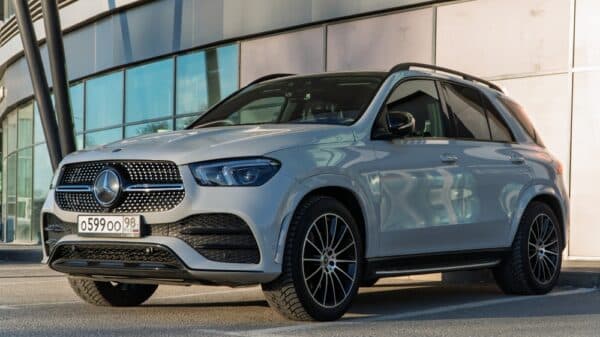
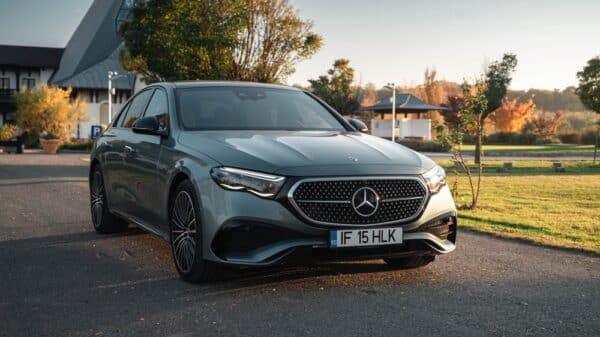
- This pricing positions it above the Mercedes-Benz EQS in the U.S. market.
Nearly five years ago, Jaguar embarked on an ambitious journey to rebrand itself as an ultra-luxury electric vehicle (EV) manufacturer. Rather than competing with traditional German rivals like BMW and Audi, the focus shifted toward high-end brands such as Bentley. While the vision is compelling, it remains a question whether it is a realistic ambition.
Recent voices from Jaguar’s retail partners indicate rising concerns about the brand’s strategy. As the growth of EV sales appears to decelerate in crucial markets, skepticism is brewing among dealers. Moreover, industry analysts express doubts about whether Jaguar can successfully transition into this niche market segment, which may be contracting.
Trouble in the Transition
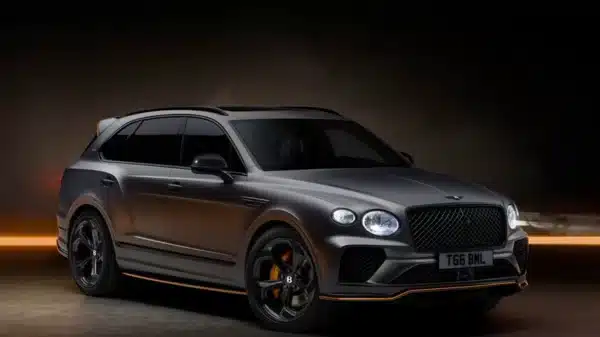
According to dealer sources, Jaguar aims for an output of around 10,000 vehicles annually, similar to Bentley’s volume. However, achieving this target within the luxury EV arena poses significant challenges, as very few manufacturers have made significant breakthroughs in this space.
“I don’t believe Jaguar’s strategy will succeed,” says Martin Benecke, an analyst from S&P Global. “Jaguar seems to be heading into a segment where other luxury brands are retreating due to dwindling demand. I’m uncertain about the customer base they aim to attract with these luxury electric models.”
Does The Type 00 Have A Business Case?
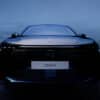
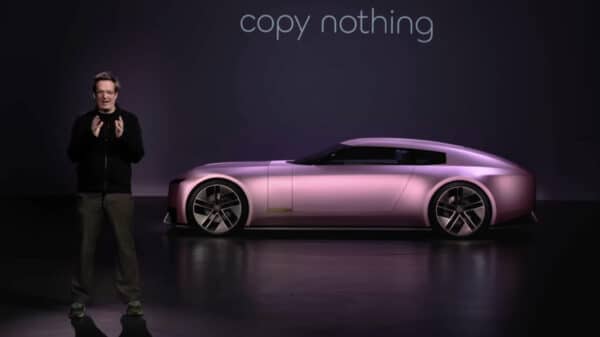
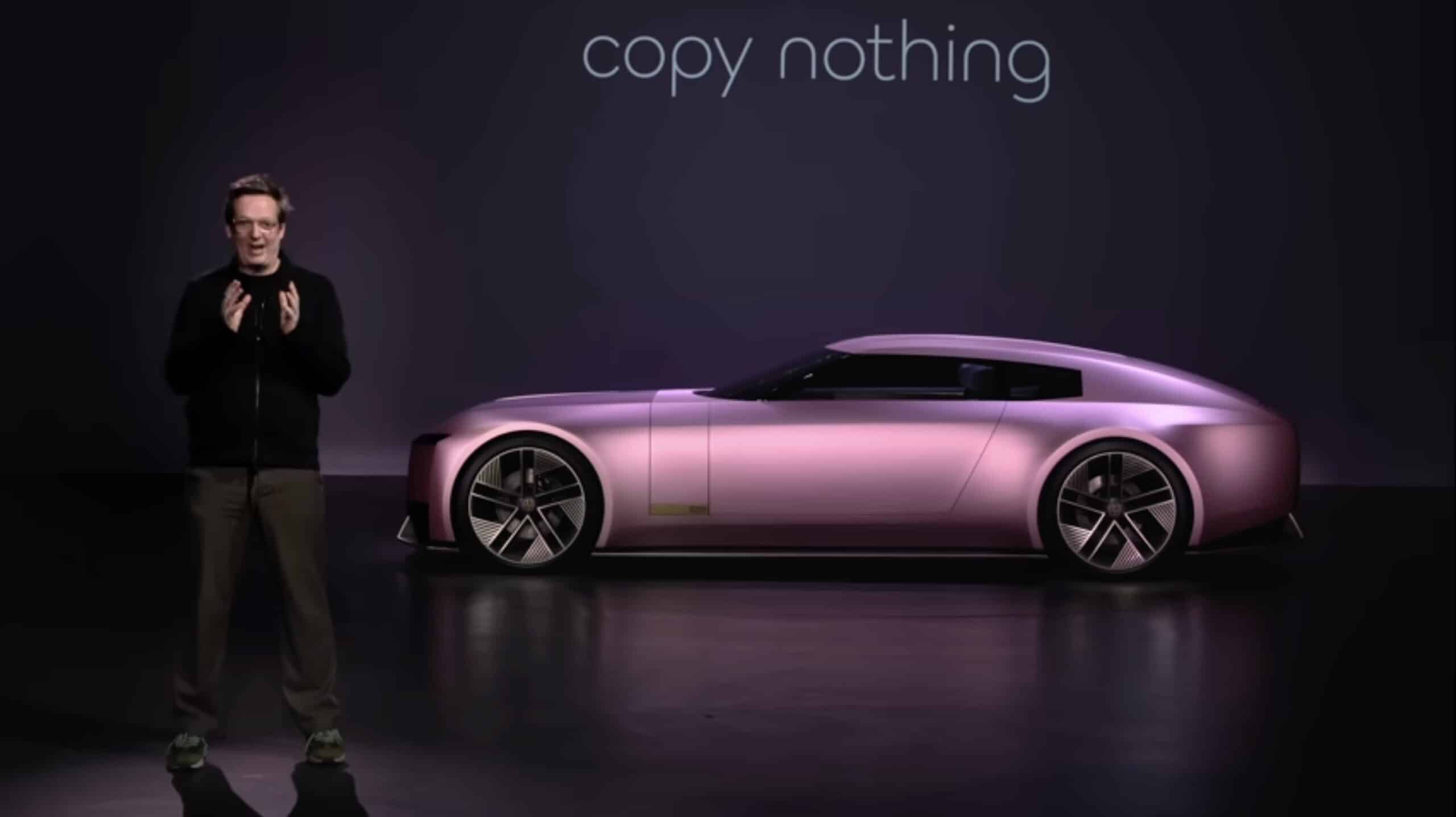
The first vehicle in Jaguar’s new electric lineup is anticipated to be a luxurious four-door sedan inspired by the Type 00 concept. Expected to start at $130,000 in the U.S., this pricing elevates it above competitors like the Mercedes-Benz EQS. If the sales do not meet expectations, modifying the platform for hybrids or internal combustion engines may become a difficult and costly endeavor.
Dealer Uncertainty Meets Cautious Optimism
“Right now, it’s hard to see a solid business case for Jaguar,” one dealer commented. “We are committed in principle, but our full investment will hinge on their concrete strategy.” Not all perspectives are negative, however. Some industry leaders, like Andreas Everschneider, chairman of the German Jaguar and Land Rover Dealers Association, view the brand’s revival as a potential opportunity. Yet, he warns against the pitfall of overproduction.
“If Jaguar repeats mistakes made by other luxury brands and saturates the market, prices will fall,” he cautioned. “In that scenario, the luxury positioning will likely fail.” Maintaining exclusivity while ensuring sustainability in sales will be paramount for Jaguar as they journey into the electric future.
As Jaguar positions itself in the competitive luxury EV market, it faces myriad challenges. Building a loyal customer base, managing production levels, and sustaining brand equity will be crucial to achieving long-term success. The coming years will determine whether this ambitious plan paves the way for a groundbreaking return or simply becomes another cautionary tale in the evolving automotive landscape.