










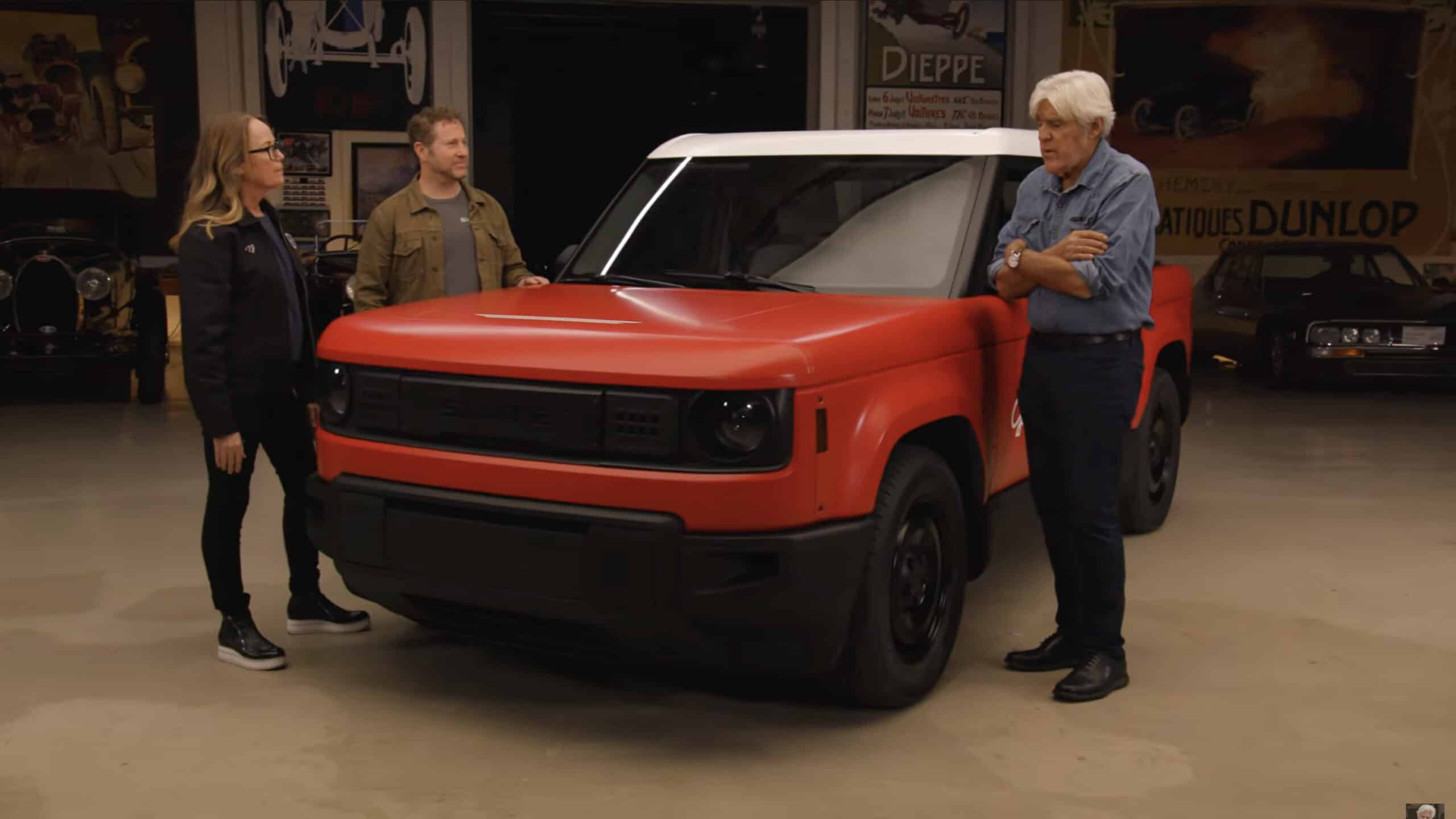

- Jay Leno showcased the innovative features of the Slate Truck.
- Owners have the option to personalize their vehicle through various kits or even convert it to an SUV.
- The vehicle’s design allows for independent service and repair without dealership intervention.
In a market dominated by flashy new electric vehicles (EVs), Slate Auto is reshaping the landscape by offering a straightforward, user-friendly alternative. Despite skepticism from industry leaders like Ram’s Tim Kuniskis, the enthusiasm surrounding the Slate Truck is evident—with tens of thousands of reservations already placed. This model seems to fill a gap in the market for a more accessible and practical EV.
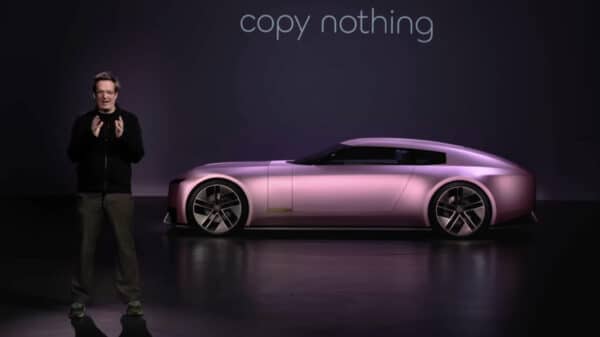
Slate Auto’s production is set to commence in a revamped factory in Warsaw, Indiana, by the end of this year. Prior to this launch, the company brought a prototype of the Slate Truck to Jay Leno’s Garage, where they showcased its unique selling points alongside head of design Tisha Johnson and chief commercial officer Jeremy Snyder.
The driving philosophy behind Slate is affordability. In an era where the average new vehicle price in the U.S. hovers around $50,000, the Slate Truck aims to remain within reach for average consumers. While Snyder suggested a starting price in the “mid-$20s,” the final cost is still under discussion, especially following changes to federal EV tax credits that initially positioned the base price below $20,000.
One of the standout features of the Slate Truck is its emphasis on personalization. The vehicle’s exterior includes exposed fasteners, allowing owners to easily customize and replace parts as they see fit. Should buyers wish to transition their Slate into an SUV, conversion kits will be available for self-installation or modification by a designated service provider. This adaptability not only enhances user engagement but also mitigates costs.
Furthermore, the Slate Truck champions the concept of right-to-repair. Owners can seek repairs from independent mechanics of their choosing, eliminating the necessity for dealership visits for warranty issues. For those who prefer a hands-on approach, the vehicle is designed to allow users to conduct repairs themselves, promoting greater ownership satisfaction.