







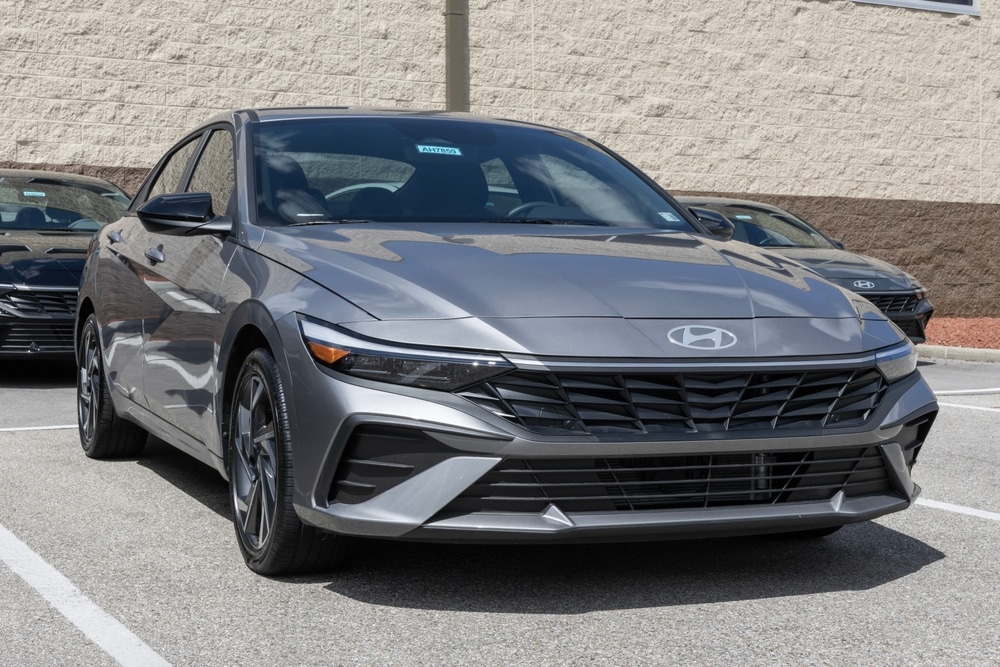
- Sales of the Hyundai Ioniq 6 nosedive by 61% in January, while the Ioniq 5 maintains a slight drop.
- Hyundai’s SUVs and hybrid models experience significant sales growth, bolstering overall performance.
- Despite the Ioniq 6’s substantial decline, Hyundai reports a 2% increase in total sales for the month.
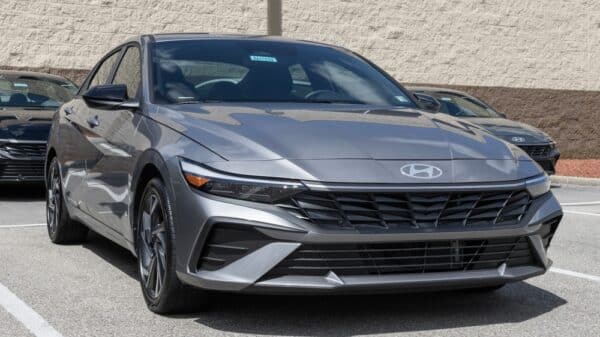
Hyundai recently celebrated its most successful January in the United States, yet a closer look at the electric vehicle (EV) sector reveals a significant cause for concern. While the Ioniq 5 holds its ground amid a challenging market landscape, the Ioniq 6 has faced a dramatic decline in sales.
Starting with the brighter news, the Hyundai Ioniq 5 witnessed a year-over-year sales decline of only 6% in January. This figure represents a considerable achievement in a fluctuating EV market where many competitors struggle. Hyundai successfully sold 2,126 units, showing that the retro-inspired crossover still garners a solid consumer base.
On the flip side, the news for the Ioniq 6 is sobering. It experienced a staggering 61% drop, selling just 344 units. Such numbers could compel anyone managing the company’s finances to pause and reconsider marketing strategies, as this stylish sedan appears to be encountering challenges in capturing buyer interest.
SUVs: The Backbone of Hyundai’s Sales Success
Hyundai’s performance insights highlight what American consumers truly desire: SUVs. The sales of combustion-engine models like the Palisade surged by 29%, propelled by a recent update, while the Santa Fe enjoyed a 9% sales bump. Even smaller models like the Kona saw an impressive 22% increase.
Hybrids, however, stand out as the unexpected stars of this report. Hyundai reported a remarkable 60% increase in sales of petrol-electric hybrids, demonstrating that consumers are interested in electrification, as long as they have a backup plan for refueling. This aligns well with trends where buyers seek models like the Santa Fe Hybrid, which alleviates concerns surrounding EV charging infrastructures.
The Challenges for Combustion Models
Not all aspects of the sales report are positive, however. The Sonata suffered a significant 34% sales decline, while the soon-to-be phased out Santa Cruz dropped by 32%. The Tucson also saw a minor 4% decrease. Nevertheless, with total Hyundai sales up by 2%, supported largely by robust SUV performance, the brand remains in a relatively strong position.
As Hyundai moves forward, the automotive industry will closely watch its strategies to capitalize on this momentum throughout 2026. The challenges facing the Ioniq 6’s dismal sales figures underscore the need for an urgent action plan to enhance its marketability and appeal.
Hyundai Sales Overview
In conclusion, while Hyundai celebrates overall sales growth, the contrasting performances of its electric models highlight critical areas for improvement, particularly concerning consumer preferences and changing market dynamics. The automotive landscape is evolving, and Hyundai must navigate these shifts to ensure its ongoing success.