



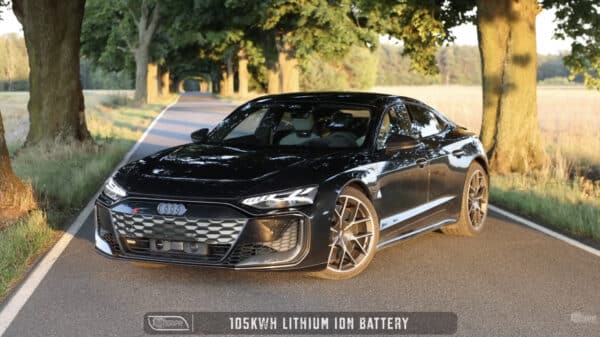














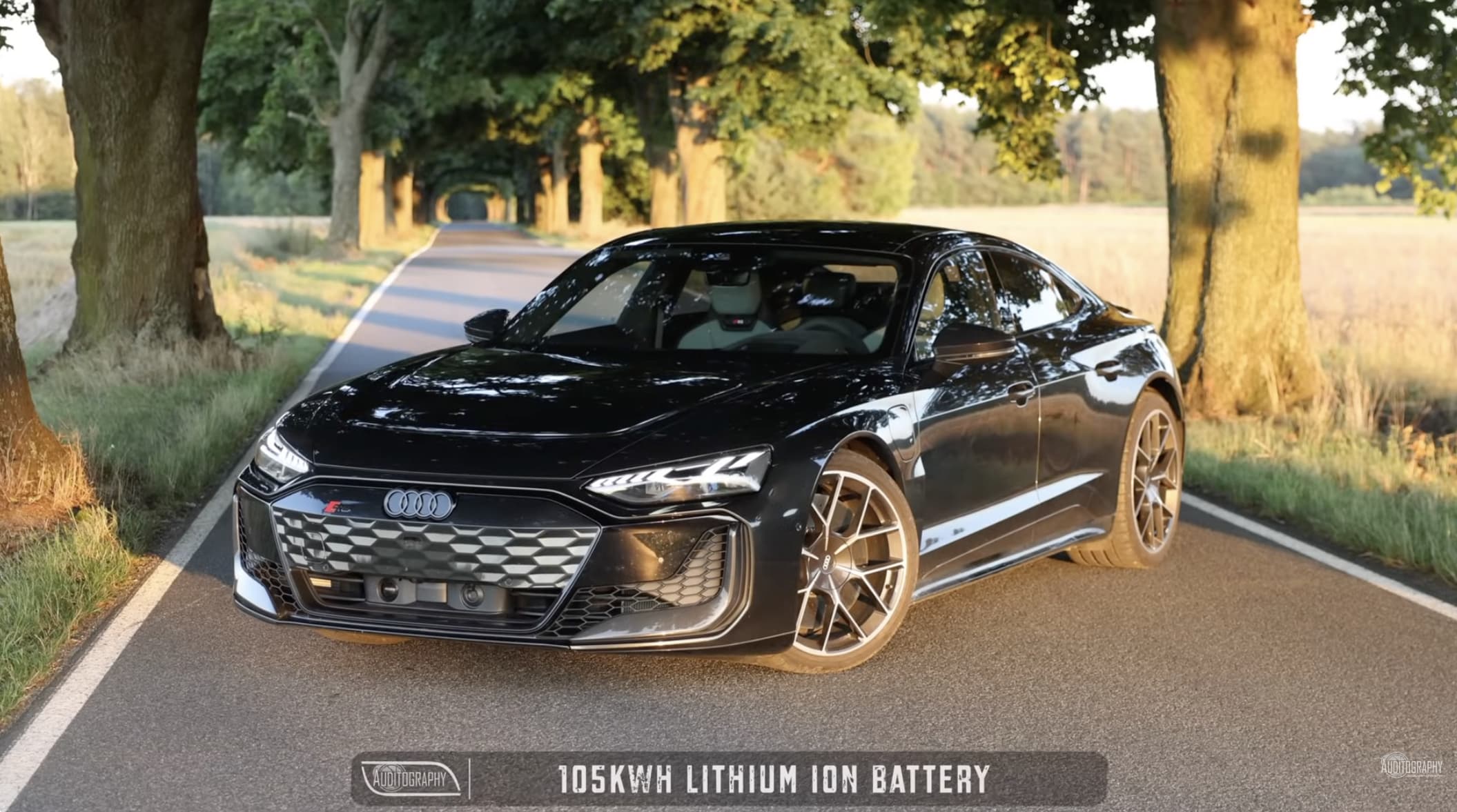

The rapid evolution of electric vehicles is evident in the latest version of Audi’s e-tron GT. This iteration represents a significant departure from its predecessor, with Audi undertaking a complete redesign in just a few years. Unlike typical mid-cycle refreshes, this transformation showcases a distinct commitment to enhancing performance and technology.
Having launched in Europe in mid-2021 and reaching Australia by late 2022, the original e-tron GT has now been succeeded by a reengineered lineup that surpasses its predecessor in nearly every aspect. The base model of the new lineup outstrips the former RS variant in power, illustrating Audi’s dedication to performance.
QUICK FACTS
The updated model reached Australian shores late in 2025, and our recent experience with the flagship RS e-tron GT Performance highlighted its remarkable advancements.
What’s New?
Most enthusiasts recognize the e-tron GT as a stunning automotive design, often considering it the most visually appealing electric vehicle available—as well as one of the standout sedans of the past decade. However, the initial RS version lacked distinguishing features to set it apart from the standard model.
In response to feedback, Audi implemented changes for the 2026 RS e-tron GT and RS e-tron GT Performance models that give them a unique flair. The updated front fascia is more aggressive, featuring enhanced air intakes and a striking forged carbon fiber finish. Rear modifications include a bespoke diffuser and distinctive 21-inch wheels.
An Updated Powertrain
Significant improvements have been made beneath the surface, as well. The previous model’s 84 kWh battery has been replaced with a more efficient 97 kWh battery that is not only larger but also lighter, enhancing performance. Furthermore, all e-tron GT models now support rapid DC charging speeds of up to 320 kW, a considerable upgrade from the previous 270 kW.
Power output varies across the lineup. The base S e-tron GT delivers 670 hp with a 0-100 km/h time of 3.4 seconds, while the mid-tier RS variant generates 845 hp and accelerates to 100 km/h in 2.8 seconds, boasting a driving range of around 524 km. The crown jewel, the RS e-tron GT Performance, achieves a staggering 912 hp and hits 100 km/h in a mere 2.5 seconds, while providing a range of 528 km.
A Cabin To Remember
The interior of the RS e-tron GT Performance remains largely derived from the pre-facelift model but includes notable updates. For example, the Alcantara steering wheel features new Boost and RS functionality buttons. Our test vehicle included the performance design package, incorporating green accents and plush Nappa leather, along with a Matt carbon camouflage package for an additional edge.
Though the cabin offers a luxurious feel, some switchgear and lower-grade plastics reflect a more economical Audi model, which may be disappointing at this price point. The RS-branded front seats and a 10.1-inch infotainment display are standout features, accompanied by a top-tier 16-speaker audio system and highly praised massage functions for the front seats.
However, headroom in the rear seating area may be cramped for taller individuals, and it lacks some amenities compared to the front. Simple controls for fan speed may feel too basic given the overall luxurious theme.
Unrelenting Acceleration
My firsthand experience with the RS e-tron GT Performance showcased its exceptional acceleration. Audi’s claim of a 0-100 km/h time of 2.5 seconds is impressive, but during my testing, I managed a slightly slower 2.63 seconds, which still felt breathtaking. The car’s two-speed transmission allows rapid acceleration, with second gear intuitively engaging at speed to maximize power delivery.
Although achieving peak performance may be challenging on everyday roads, the new active suspension system enhances both comfort and handling. With advanced technology similar to that of the Porsche Taycan, the suspension can adjust in real-time, minimizing body roll and providing an exceptional driving experience.
Chassis Changes
The RS e-tron GT Performance’s chassis utilizes air suspension paired with innovative dampening technology. Its remarkable handling capabilities shine on twisty roads, allowing the vehicle to navigate corners with confidence and minimal drama, despite its considerable weight. Coupled with all-wheel steering, it maneuvers easily in tight spaces.
Efficiency, however, might not be its strong suit—Audi rates it at 21 kWh/100 km, which is slightly higher than its predecessor. While not optimal, performance enthusiasts will recognize that efficiency is typically sacrificed for power in this segment.
Driving the RS e-tron GT Performance is an exhilarating experience, although some may find the steering a tad too assisted for their tastes. Frustratingly, the parking sensors can be overly sensitive at times, causing unnecessary alerts during routine maneuvering.
Verdict
The Audi e-tron GT undoubtedly remains the pinnacle of the brand’s electric lineup. The RS e-tron GT Performance redefines performance benchmarks, rivaling some supercars. While the price tag has increased considerably, the vehicle’s advancements truly elevate the driving experience.
Potential buyers should proceed carefully, as the significant price hike compared to its predecessor could affect long-term value. However, if history repeats itself, this remarkable model may transition into a more accessible option in the used car market within a few years.